







Search Results for: cold drinks

6 Ways to Drink Cold Brew Coffee, Rotate Through Them All Summer
After you've made cold brew coffee, don't rush to drink it straight—though it's already quite refreshing on its own, cold brew is actually a highly versatile base. It has low bitterness, plenty of sweetness, and clean flavors, so it pairs well with anything. With just a little effort, you can whip up an entire summer drink menu. This article rounds up 6 ways to drink cold brew, from simple [more…]
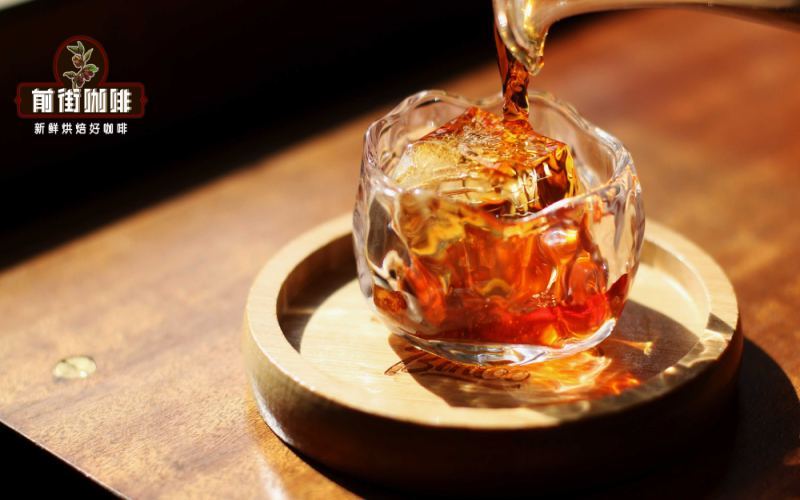
Is Cold Brew Coffee Really Low in Caffeine? A Detailed Explanation of Cold Brew Extraction Principles, Drinking Timing, and Preparation Steps
Cold brew coffee is made by extracting with cold water over a long period, resulting in a mellow body and lower astringency, making it a favorite among many coffee lovers. But is its caffeine content really low? Can you drink it right after brewing is complete? This article will start with the origin and principles of cold brew coffee, analyze the factors affecting caffeine content, and share Front Street Coffee's complete cold brew production process and brewing suggestions, giving you a comprehensive understanding of this coffee brewed with time. [more…]

Cold Brew Iced Coffee Ratio and Coffee Bean Selection Guide, with Creative Cold Brew Specialty Drink Ideas
Cold brew coffee, through its low-temperature slow extraction process, presents a smoother mouthfeel with less bitterness than hot extraction, making it the most convenient coffee choice in a busy life. This article provides a detailed analysis of the definition, flavor characteristics, and brewing ratios of cold brew coffee, and recommends coffee beans suitable for cold brew based on different origins and processing methods, including Front Street Coffee's Yirgacheffe Gidding, Honduras Sherry and Lychee Orchid, and Panama Butterfly. In addition, it shares three creative specialty drink methods: adding sparkling water, adding milk, and adding alcohol, to help you find the cold brew solution that best suits your taste. [more…]

Cold Brew Iced Coffee Recipe | Which Single-Origin Coffee Beans Make the Best Cold Brew? What's the Difference Between Starbucks Cold Brew and Americano Black Coffee?
Cicadas sing and birds call, the sun shines brightly, and the southern region gradually enters summer. The weather is hot, and icy refreshing drinks are always irresistible. Cold brew coffee is simple to make, with no complicated procedures—just brew a pot before going to sleep at night, and you can drink it the next morning when you wake up. For coffee lovers, cold brew coffee is a summer heat-relieving [more…]

The Correct Way to Drink Cold Brew Coffee | What Is Cold Brew? Where Did Cold Brew Coffee Come From? Which Coffee Beans Can Be Used for Cold Brew? An Introduction to Cold Brew Coffee's Coffee-to-Water Ratio, Grind Size, Extraction Time, and Water
Many friends who come to Front Street Coffee say that watching the ice water slowly drip through the cold drip tower is so soothing, and they ask Front Street what kind of coffee this is. This is the biggest difference between cold drip coffee and many other coffee categories—it generally requires a long, slow extraction of 6-8 hours, so usually Front Street's cold drip output is not large. [more…]

How to Drink Cold Brew Coffee | Who Is Cold Brew Coffee Suitable For? Which Coffee Beans Can Be Used to Make Cold Brew? What Are the Flavor Characteristics of Cold Brew Coffee?
For more specialty coffee knowledge, please follow our WeChat official account: FrontStreet Coffee. Since cold brew coffee is made through a different process than regular hot-brewed coffee and needs to be prepared a day in advance, the cold brew sold at Front Street stores won't offer as rich a variety of coffee beans as pour-over. [more…]
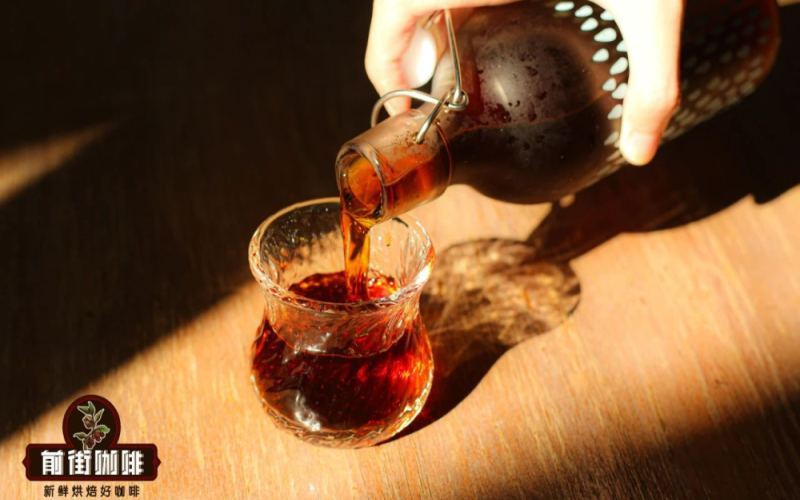
The Complete Guide to Cold Brew Coffee: How Grind Size, Coffee-to-Water Ratio, and Steeping Time Affect Flavor
On a sweltering summer day, a glass of refreshingly cool cold brew coffee becomes the top choice for many office workers. Compared with pour-over coffee, cold brew has a lower barrier to entry—simply grind the beans and soak them the night before, refrigerate overnight, and the next morning you can enjoy a rich, full-bodied glass of iced coffee. However, to make a delicious cold brew, the coffee-to-water ratio, grind size, extraction temperature, and time are all indispensable parameters. Front Street Coffee, using 50 grams of ground coffee as the baseline, has summarized a simple and easy-to-follow cold brew method and offers concentration adjustment suggestions for different drinking scenarios. This article will break down in detail the key points of making cold brew, the causes of its flavor, and storage methods, helping coffee enthusiasts easily recreate at home a cup of cold brew with distinct layers and a pronounced sweet aftertaste. [more…]
How Long Should You Cold-Brew Iced Black Tea? A Complete Guide to the Correct Brewing Method and the Pros and Cons of Drinking It
Cold brew tea has become increasingly popular in recent years. Not only does it release less caffeine, making it suitable for people sensitive to caffeine, but cold water steeping also reduces the extraction of tannic acid, giving the tea a sweeter, smoother taste without bitterness. However, the cold brewing time varies greatly depending on the form of the tea leaves—broken pieces, strips, and ball-shaped leaves each have their own requirements. Steeping too long can lead to over-extraction and a cloudy, bitter brew. This article provides a detailed guide to the suitable tea types for cold brewing, a time reference chart, the relationship between water temperature and steeping duration, and answers to common questions such as whether overnight tea is safe to drink, helping you easily make a delicious glass of cold brew iced black tea. [more…]
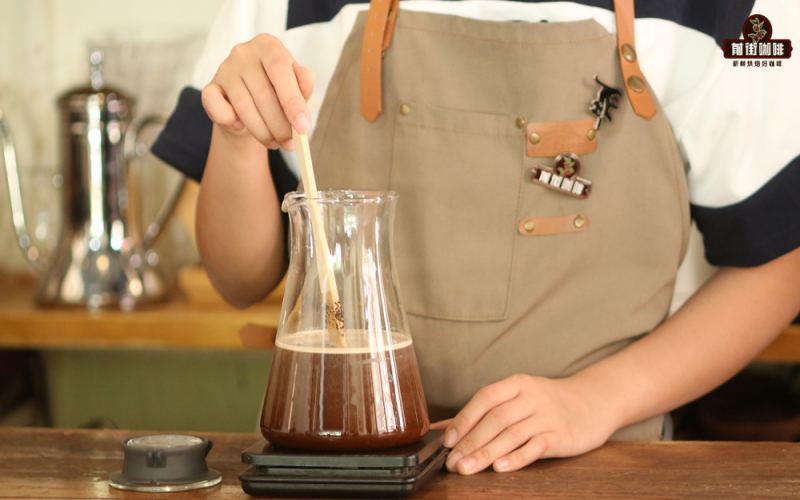
Cold Brew Coffee Beginner's Guide: Differences Between Nitro Cold Brew and Regular Cold Brew and Coffee Bean Selection Tips
Cold brew coffee has taken the specialty coffee world by storm in recent years. Extracted through prolonged steeping in cold water, it delivers a smooth and delicate flavor profile. This article provides a systematic introduction to the definition and origins of cold brew coffee, compares the differences between nitro cold brew and regular cold brew, and shares in detail the cold brew and ice drip recipes from Front Street Coffee. From equipment preparation and grind size adjustment to coffee-to-water ratios, we'll walk you through making a summer cold brew specialty drink at home that balances aroma and mouthfeel, along with flavor references for beans such as Panama Butterfly and Honduras Sherry. [more…]
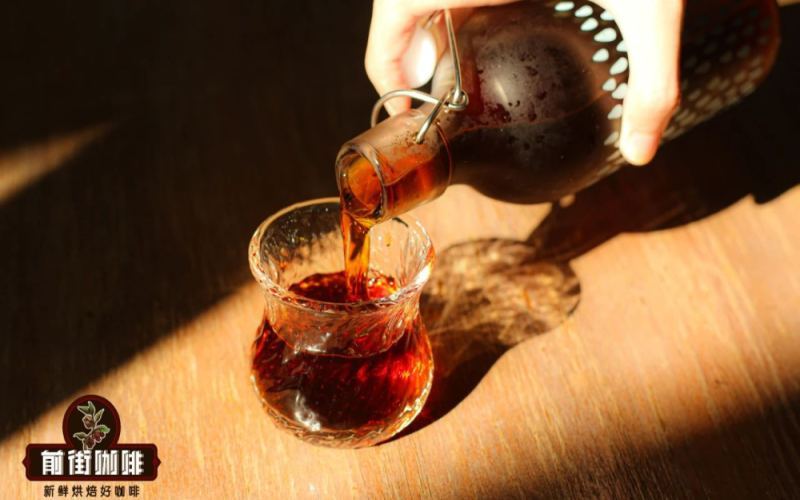
Three Creative Ways to Drink Cold Brew Coffee: Extraction Techniques, Drinking Timing, and Flavor Characteristics of Ice Drip and Cold Brew
In the height of summer, if the fridge is missing a pitcher of cold brew coffee, it feels like something is missing. But with so many coffee beans to choose from, which one is actually suitable for cold brew? How should cold brew concentrate be stored, and how long can it last? This article draws on the hands-on experience of Front Street Coffee to systematically sort out the two major categories of cold brew coffee—ice drip and cold brew—covering equipment composition, parameter recipes, operating steps, and flavor performance. At the same time, we will also answer a common question: between cold brew and iced Americano, which has more caffeine? In addition, the performance of two beans, Huakui and Sherry, under low-temperature extraction will also be presented one by one, helping you find your own cup of summer iced coffee. [more…]
Is Starbucks Cold Brew Healthy? Caffeine Content and Flavor Analysis Plus Front Street Coffee Cold Brew Brewing Guide
Cold brew coffee, with its smooth mouthfeel and refreshing flavor, has become a popular choice at Starbucks and independent coffee shops alike. It is extracted at low temperatures over a long period, resulting in low bitterness and prominent fruity acidity and floral notes, but its caffeine content and health effects have also drawn much attention. This article provides a detailed analysis of the definition, characteristics, and caffeine situation of cold brew coffee, and shares the bean list and creative drinking methods recommended by Front Street Coffee, including adding sparkling water, milk, alcohol, and more, to help you easily make a cup of cold brew to your liking at home. [more…]
A Detailed Guide to Making Cold Brew Coffee at Home: Starbucks Nitro Cold Brew vs. Americano Comparison and Five Front Street Coffee Bean Recommendations
On a scorching summer day, a refreshing glass of cold brew coffee is undoubtedly the perfect way to cool down. Cold brew has a low barrier to entry—steep it the night before, and it's ready to enjoy the next day. But how does the extraction logic of cold brew differ from that of high-temperature pour-over? And what exactly is Starbucks' Nitro Cold Brew? This article starts with the definition and extraction principles of cold brew, unravels the nitrogen mystery behind Nitro Cold Brew, and shares in detail Front Street Coffee's cold brew recipe and steps, including key parameters such as coffee-to-water ratio, grind size, and refrigeration time. It also offers extraction time adjustment suggestions for different flavor preferences, and recommends five Front Street single-origin coffee beans suitable for cold brew, covering producing regions such as Ethiopia, Kenya, Panama, Costa Rica, and Honduras, helping you make a cup of cold brew to your liking at home. [more…]
Where Did Cold Brew Coffee Originate? A Beginner's Guide to Choosing Coffee Bean Flavors for Cold Brew
Cold brew coffee is deeply loved today, but its origins are little known. The earliest documented cold brew coffee comes from the 17th-century Netherlands, when sailors, to cope with long sea voyages, steeped coffee grounds in cold water for over twenty hours to make a concentrate, which both increased the caffeine content and extended shelf life. This method later spread to Japan, where it evolved into drip-style cold brew by combining with the local tradition of cold-brewed tea. When making cold brew, the coffee-to-water ratio is key; Front Street recommends 1:13 for regular drinking and 1:10 for specialty concoctions. In terms of coffee bean selection, medium-light to medium roast beans with prominent acidity, sweetness, or aroma are more suitable. This article will analyze in detail the origins of cold brew, the key points of making it, and recommend several Front Street Coffee beans to help you get started easily. [more…]
Are cold brew coffee bags any good? Can you drink it after refrigerating overnight? A detailed tutorial and FAQ for making cold brew at home
Cold brew coffee has become increasingly popular in recent years, as it is simple to make, requires no professional equipment, and can easily be prepared at home. This article covers the brewing method, benefits, and common questions about cold brew coffee, and also answers questions such as whether commercially available cold brew coffee bags are any good and whether iced coffee can be stored overnight. The article will also introduce in detail a cold brew recipe using 50g of Front Street Coffee Butterfly coffee beans with 500ml of room-temperature water, as well as the rich fruity flavor brought by a 1:10 ratio. Whether you want to understand the difference between cold brew and ice drip, or you are looking for coffee beans suitable for cold brew, you will find practical answers here. [more…]
What specialty beans should you choose for cold brew iced coffee? Analyzing the differences between cold brew and Americano and a soda water extraction experiment
Cold brew coffee, with its unique low-temperature slow extraction method, has become a popular drink in the hot summer days. Which coffee beans are actually suitable for making it? And what are the essential differences between it and Americano, which also uses water as a medium? This article starts with the origin of cold brew coffee, sorts out its production process and the principles of pairing it with pastries, and brings Front Street Coffee's cold brew bean recommendations. In addition, through a set of comparative experiments, we explore the differences in concentration and flavor between cold brew coffee made with soda water and purified water, providing coffee lovers with a more comprehensive cold brew guide. [more…]
Which groups of people is cold brew coffee suitable for? A guide to brewing methods and bean recommendations
Cold brew coffee differs significantly from regular hot-brewed coffee. It needs to be prepared a day in advance, tastes not bitter but slightly sour, and has a soft flavor, making it popular among many coffee lovers. Due to the special preparation process, Front Street Coffee stores offer fewer cold brew options than pour-over, but every bean is carefully selected, suitable for cold brew and appealing to a broad range of tastes. This article will introduce in detail the steps for making cold brew coffee, its characteristics, ways to drink it, and recommended coffee beans suitable for cold brew, helping you easily recreate the same delicious Front Street Coffee at home. [more…]

Why Does Cold Brew Coffee Have a Wine-Like Aroma? Why Is It Astringent Right After Brewing? An Analysis of the Optimal Drinking Window
The unique wine-like aroma and bouquet of cold drip coffee often lead people to mistakenly think that alcohol has been added, but in fact this comes entirely from its production method and low-temperature aging process. However, freshly dripped cold drip coffee often tastes thin or even astringent, and needs to be aged in the refrigerator to reveal a smooth, rich flavor. So how long exactly should cold drip coffee be left before drinking? Why does it develop a wine-like flavor after being stored for a long time? And why can it not be stored indefinitely? Starting from Front Street's production experience, this article explains in detail the principles behind the changes in cold drip coffee from production to aging, and from astringency to vinous aroma, and gives recommended drinking periods to help you better enjoy this cup of slow-brewed coffee. [more…]
How to drink cold brew coffee for maximum flavor? A detailed explanation of the underlying fermentation principles and three Front Street concentrate recipes.
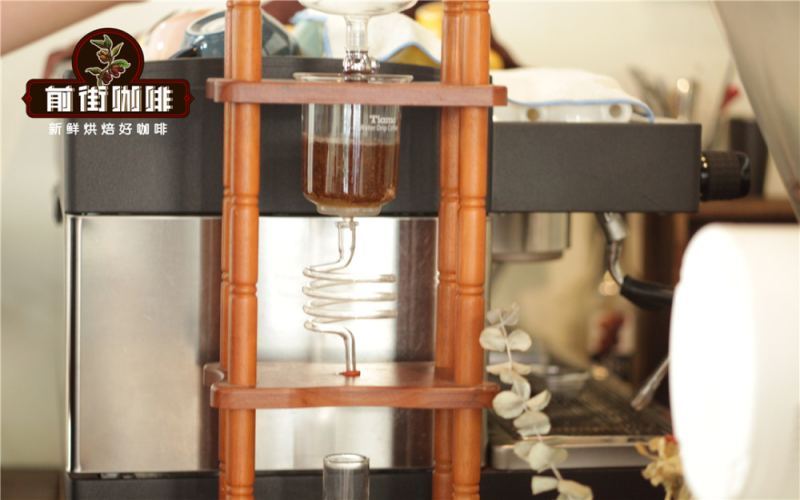
Cold brew coffee is a method of extracting coffee with ice water at low temperatures, completely different from regular pour-over. It originated from the invention of the Dutch on the island of Java in the 17th century, using condensed water pressure to drip through coffee grounds one drop at a time, taking up to 8 hours. Cold brew coffee has a unique flavor and needs to be refrigerated and fermented after extraction, reaching its best state on days 3 to 7, with a complex aroma reminiscent of fermented rice wine. This article explains in detail the steps for making cold brew coffee, key points for fermentation and storage, and shares three cold brew recipes commonly used by Front Street Coffee—dark berry type, light and clean type, and sweet and delicious type—to help you easily make a delicious cold brew suitable for summer. [more…]
How to Make Cold Brew Coffee at Home? How Starbucks Nitro Cold Brew Differs from Americano, Plus Five Front Street Coffee Bean Recommendations
In the heat of summer, a refreshing glass of cold brew coffee is the top choice for cooling off among many coffee lovers. Cold brew is simple to make—steep it before bed and it's ready to enjoy the next day. But what exactly is the difference between cold brew, Americano, and Starbucks Nitro Cold Brew? How can you make a delicious cold brew at home? This article will start with the extraction principles of cold brew, explain the taste advantages brought by low-temperature slow extraction, and break down in detail Front Street Coffee's cold brew production parameters and steps. Finally, we recommend five single-origin coffee beans suitable for making cold brew, covering Yirgacheffe, Kenya, Panama Butterfly, Costa Rica Mozart, and Honduras Sherry, to help you find your own cup of summer cold brew. [more…]
How to Make Cold Brew Coffee at Home: A Complete Guide to Coffee-to-Water Ratio, Steeping Time, and Flavor Profile
On a hot summer day, cold brew coffee always sparks lively discussion among coffee lovers. It requires no complicated equipment—just prolonged contact between cold water and coffee grounds—to deliver an iced coffee experience with a prominent aroma and a rich, smooth mouthfeel. This article will systematically explain the definition of cold brew coffee, the differences between room-temperature and low-temperature steeping, the choice of coffee beans suitable for making it, and Front Street Coffee's recommended 1:10 coffee-to-water ratio, grind size, and specific step-by-step instructions. It will also cover when to drink cold brew coffee and how long it keeps, helping you easily make a satisfying glass of cold brew at home. [more…]